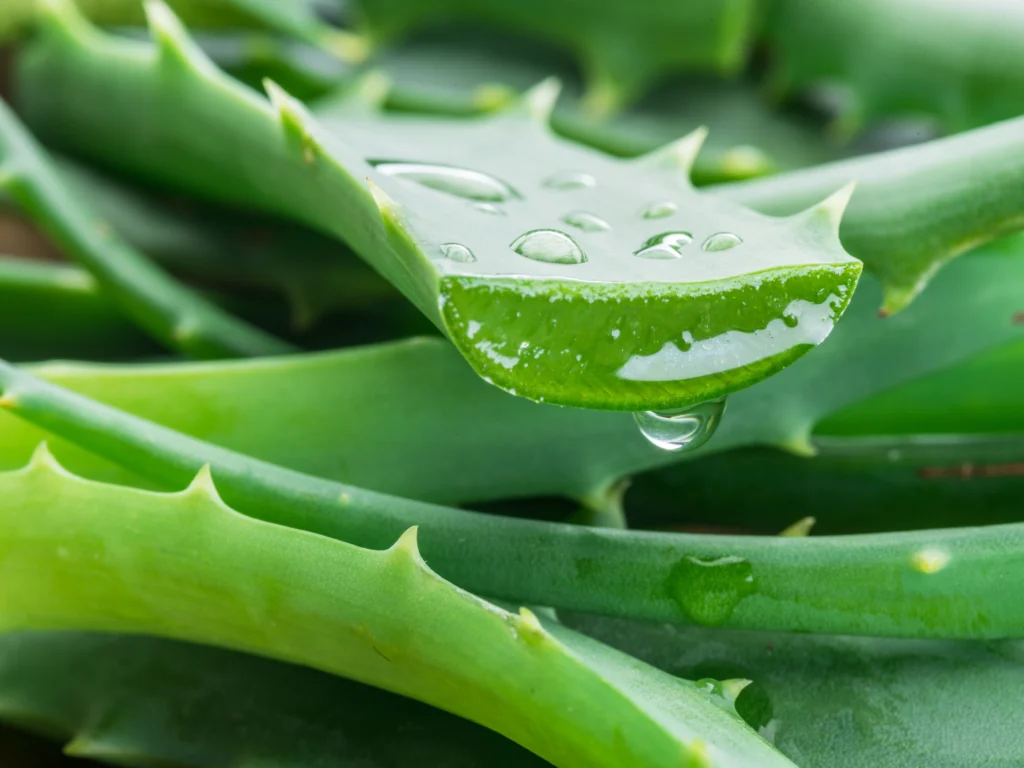
Why Aloe Vera Belongs in Your Skincare Routine
Most people think of aloe vera as the stuff you reach for after a bad sunburn. And while it does that job well, stopping there seriously undersells what this ingredient can do.
Aloe vera is one of the most versatile and well-researched botanicals in skincare. It hydrates, calms inflammation, supports the skin barrier, helps manage breakouts, and plays well with nearly every other ingredient. It works on dry skin, oily skin, sensitive skin, aging skin — all of it. Yet somehow it still gets overshadowed by buzzier actives like retinol, niacinamide, and glycolic acid that dominate the conversation.
Here’s the full picture of what aloe actually does and why it deserves a real place in your routine.
First — What Does “Aloe Barbadensis Leaf Juice” Mean on a Label?
If you’re reading ingredient lists (which you should be), you’ll see aloe listed as Aloe Barbadensis Leaf Juice rather than just “aloe vera.” This isn’t a fancy marketing rename — it’s the specific INCI (International Nomenclature Cosmetic Ingredient) name for the bioactive inner gel of the aloe plant, which is where the skin benefits actually live.
The outer leaf of the aloe plant contains compounds that can be irritating. The clear, water-rich inner fillet is what you want — and properly labeled products use Aloe Barbadensis Leaf Juice to indicate exactly that.
This juice is packed with:
Vitamins A, C, and E — antioxidants that protect skin from free radical damage and support collagen production. Vitamin C in particular plays a direct role in collagen synthesis, which is why aloe-based formulas can offer mild anti-aging support on top of their calming properties.
Enzymes — specifically bradykinase, which helps reduce inflammation, and amylase, which has gentle exfoliating properties that can help brighten dull skin over time without the harshness of acid-based exfoliants.
Amino acids and minerals — supporting the structural proteins your skin needs to stay resilient and heal efficiently.
Polysaccharides — the compounds responsible for aloe’s humectant (moisture-drawing) properties and its ability to form a protective, breathable layer on skin.
One more thing worth noting: aloe vera is non-comedogenic. It won’t clog pores, which makes it suitable for acne-prone skin where many soothing or hydrating ingredients fall short.
According to a review in the Indian Journal of Dermatology, aloe vera has documented anti-inflammatory, antimicrobial, antioxidant, and wound-healing properties — making it genuinely multi-functional rather than just a feel-good botanical.
When shopping for products, check where aloe falls on the ingredient list. Higher up means more of it — and that matters.
What Aloe Actually Does for Different Skin Types
Dry or Dehydrated Skin
Aloe is a lightweight humectant — it draws water into the skin and helps hold it there. The polysaccharides in the inner leaf form a thin, breathable film that slows transepidermal water loss (TEWL), which is the technical term for moisture escaping through the skin’s surface.
Unlike heavier occlusives that can feel suffocating or greasy, aloe hydrates without weight. That makes it particularly useful as a base ingredient in cleansers, toners, and lightweight moisturizers — adding hydration at every step of the routine without heaviness.
If your skin feels tight, looks dull, or seems to drink up moisture and stay dry anyway, aloe-containing products in your toner and moisturizer steps can make a meaningful difference. Browse our tonics and fresheners and moisturizers to find options formulated with skin-soothing botanicals.
Acne-Prone or Oily Skin
This is where aloe really earns its place beyond sunburn relief.
Aloe contains salicin, a compound that converts to salicylic acid in the body — which helps explain its mild exfoliating and pore-clearing properties. It also has documented antimicrobial activity against Cutibacterium acnes, the bacteria most responsible for inflammatory acne, according to research published by the National Center for Biotechnology Information.
Crucially, aloe does this without the dryness and irritation that come with most acne treatments. For oily skin that still needs hydration (which is all oily skin — see our moisturizer guide), a lightweight aloe-based formula is often the best option.
It’s also a smart pairing ingredient for stronger actives like salicylic acid or benzoyl peroxide — it provides hydration and calming support while the active does the heavy lifting. Our acne correctives and Alpha & Beta Hydroxy Acid products work especially well when the surrounding routine includes aloe-based hydration steps.
Sensitive or Reactive Skin
For skin that seems to react to everything, aloe is one of the safest and most effective calming ingredients available.
Its key anti-inflammatory compound, bradykinase, actively reduces redness and inflammation on contact. This makes it useful for calming the temporary redness from exfoliation, post-procedure sensitivity, rosacea flares, or just the general reactivity that comes with a compromised skin barrier.
The American Academy of Dermatology notes that barrier repair is fundamental for reactive and eczema-prone skin — and aloe’s combination of hydration and anti-inflammatory action supports that repair process without the fragrance, alcohol, or synthetic additives that often make sensitivity worse.
Our anti-inflammatory and healing products were specifically formulated with sensitive skin in mind. And our Grapefruit Tonic uses calming botanical ingredients to soothe and balance reactive skin after cleansing — making it a natural fit in a sensitive-skin routine.
Aging or Mature Skin
Aloe’s antioxidant vitamins (A, C, and E) provide protection against the oxidative stress that accelerates skin aging. But its contribution to collagen goes beyond antioxidant defense.
Research has shown that aloe vera can directly stimulate fibroblast activity — the skin cells responsible for producing collagen and elastin. A study published in Annals of Dermatology found that oral aloe sterol supplementation improved skin elasticity and collagen density in subjects over 40, with topical application supporting similar mechanisms.
For mature skin, aloe works best as part of a layered routine — providing its soothing and hydration foundation while stronger anti-aging ingredients like collagen peptides do the structural heavy lifting. Our Collagen Peptide Cream and the full anti-aging collection pair naturally with botanical-rich toners and cleansers.
Post-Sun or Irritated Skin
This is aloe’s most famous use — and it holds up. The cooling, anti-inflammatory properties that make aloe a go-to for sunburn also make it effective for any kind of skin stress: windburn, post-peel sensitivity, post-waxing irritation, or just a day your skin decides it’s done.
Aloe also supports wound healing. Its antimicrobial properties reduce infection risk in compromised skin, while its polysaccharides promote cell regeneration and tissue repair. Keep it in mind for your masks step too — a calming mask is often the fastest way to restore comfort to stressed or overworked skin.
Where Aloe Fits in Your Routine
Cleanser:An aloe-containing cleanser gives you the calming and hydrating benefits right from the first step, offsetting any potential stripping effect. Look for it high on the ingredient list in your cleanser.
Toner:This is where aloe shows up most naturally and effectively. Applied after cleansing on slightly damp skin, an aloe-rich toner preps the barrier for everything that comes after. Our Grapefruit Tonic incorporates calming botanicals for exactly this purpose — explore the full tonics and fresheners line for more options.
Treatment products:If you’re using salicylic acid, glycolic acid, or any other active, an aloe-based hydrating step before or after helps buffer irritation and keep the barrier supported. See our serums and AHA/BHA products.
Moisturizer:Aloe works well in both gel and cream moisturizers, adding lightweight hydration that enhances the performance of the emollients and occlusives around it. Browse moisturizers (creams/lotions) and gel and serum moisturizers.
Masks:A calming mask with aloe is one of the fastest ways to reset skin after stress, aggressive treatments, or sensitivity flares. Check our masks collection.
SPF:Aloe is a common base ingredient in mineral sunscreens for good reason — it makes SPF more comfortable to wear without the white cast or greasiness that puts people off daily sunscreen. Daily SPF is non-negotiable. Browse our solar care line.
What to Look for When You’re Shopping
Reading labels doesn’t have to be overwhelming. For aloe specifically:
Position on the list matters. Ingredients are listed in order of concentration. Aloe near the top of the list means it’s a meaningful part of the formula. Aloe near the bottom means it’s present but in trace amounts — more of a marketing claim than a functional dose.
Look for Aloe Barbadensis Leaf Juice, not “aloe extract” or “aloe powder.” The juice from the inner fillet is the most bioactive, best-absorbed form.
Pair it with barrier-supporting ingredients. Aloe works best alongside hyaluronic acid, niacinamide, ceramides, or botanical oils that reinforce what it’s doing at the barrier level.
At Esthetic Formula, we’ve been formulating professional-grade skincare products since 1985, with close attention to the needs of sensitive skin in every formula we develop. Learn more about our manufacturing approach and how we formulate.
The Bottom Line
Aloe vera doesn’t trend the way retinol does. It doesn’t get the same content cycles as niacinamide or hyaluronic acid. But it’s been used medicinally for skin for thousands of years — and the science has caught up to explain why it works so reliably.
If you’re dealing with dryness, breakouts, sensitivity, sun damage, or just a barrier that needs support, aloe-containing products deserve a real spot in your routine — not just the emergency cabinet.
Browse the full Esthetic Formula shop to find products built around ingredients that actually perform. And if you’re not sure where to start, reach out to our team — we’re happy to help you put together the right routine for your skin.
Frequently Asked Questions
Is aloe vera safe for everyday use? Yes. For most skin types, aloe vera is gentle enough for daily use in toners, moisturizers, and cleansers. The inner gel (Aloe Barbadensis Leaf Juice) is well-tolerated even by sensitive skin. As with any ingredient, patch test if you’re trying something new.
Can aloe vera replace a moisturizer?Not completely. Aloe is primarily a humectant — it attracts water but doesn’t seal it in as effectively as a cream or lotion with emollients and occlusives. For dry skin especially, aloe works best as one layer in a routine rather than a standalone moisturizer. Browse our moisturizers for options that layer well with aloe-based toners.
Does aloe vera really help with acne?Yes, with some nuance. Its antimicrobial properties can help reduce acne-causing bacteria, its anti-inflammatory action calms existing breakouts, and its non-comedogenic nature means it won’t make clogged pores worse. It works best alongside a dedicated acne treatment like salicylic acid rather than as a standalone acne solution. See our acne correctives.
Can I use aloe vera with active ingredients like retinol or glycolic acid? Generally yes — aloe is often used specifically to buffer the irritation caused by stronger actives. Apply your active first, let it absorb, then follow with an aloe-containing toner or moisturizer. This approach lets both do their jobs without competing.
What’s the difference between fresh aloe gel and skincare products with aloe? Fresh aloe gel from the plant is effective but unstable — it oxidizes quickly, can contain irritating compounds from the outer leaf if not processed properly, and lacks the preservative system that keeps a product safe for months of use. A well-formulated skincare product uses stabilized Aloe Barbadensis Leaf Juice that’s been properly processed and preserved for consistent, safe performance.
Esthetic Formula, Inc. — Professional Skincare Since 1985 | estheticformula.com