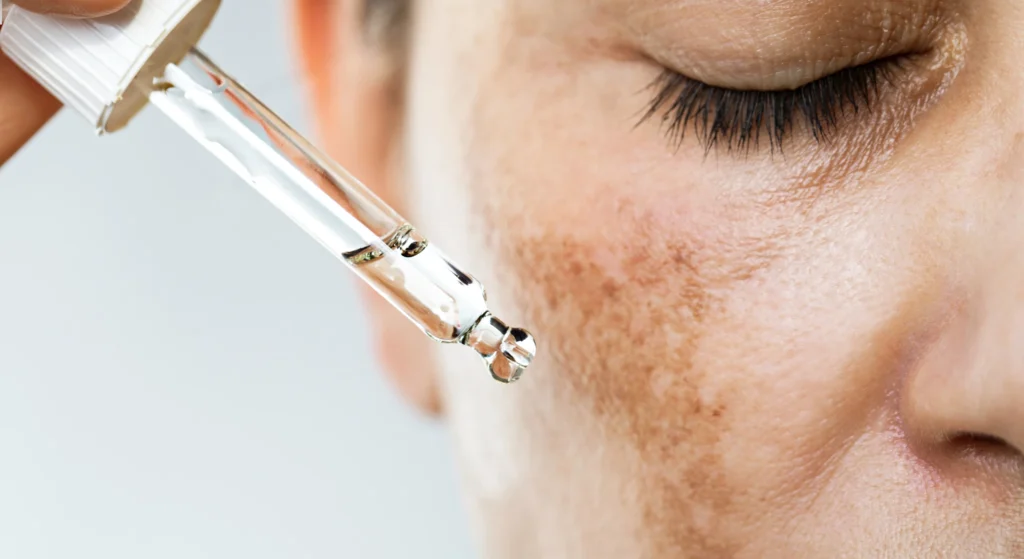
Hyperpigmentation and Dark Spots: What Causes Them and How to Treat Them
Dark spots can appear after a breakout, years of sun exposure, hormonal changes, or skin irritation. Although they may look similar, not every form of discoloration has the same cause—and using the wrong treatment can sometimes make it worse.
Understanding what is causing the pigmentation is the first step toward treating it effectively.
What Is Hyperpigmentation?
Hyperpigmentation occurs when certain areas of the skin produce excess melanin, the pigment responsible for skin color. This creates spots or patches that may appear brown, gray, black, red, or pink.
It can affect every skin tone, although people with medium to deep skin tones may experience more persistent discoloration after inflammation or injury.
Common Types of Hyperpigmentation
Post-inflammatory hyperpigmentation develops after acne, eczema, cuts, burns, insect bites, or other forms of irritation. Picking at blemishes and over-exfoliating can also leave lasting marks.
Sun spots appear after repeated ultraviolet exposure. They commonly develop on the face, chest, shoulders, arms, and hands.
Melasma usually appears as symmetrical brown or gray-brown patches on the cheeks, forehead, upper lip, or jawline. It may be influenced by sunlight, visible light, heat, hormones, pregnancy, or certain medications.
Why Dark Spots Take Time to Fade
Pigmentation can develop at different depths within the skin. Surface-level discoloration may respond well to topical products, while deeper pigment may require more time or professional treatment.
Progress may also be slowed by:
- Continued sun exposure
- Inconsistent sunscreen use
- Ongoing acne or inflammation
- Picking at the skin
- Overusing strong products
- Stopping a routine too soon
Most dark spots require several weeks or months of consistent care.
Ingredients That Can Help
A good brightening routine may combine ingredients that support skin renewal and reduce the appearance of excess pigment.
Vitamin C provides antioxidant protection and helps support a brighter, more even-looking complexion.
Alpha hydroxy acids, including mandelic, lactic, and glycolic acids, exfoliate the skin’s surface and can improve dullness, texture, and superficial discoloration.
Azelaic acid can help address both pigmentation and acne.
Niacinamide supports the skin barrier and may help improve uneven tone with a lower risk of irritation.
Retinoids encourage skin renewal and may improve discoloration, acne, texture, and visible signs of aging.
Introduce active ingredients gradually. Using several strong products together may cause inflammation and make pigmentation worse.
Sunscreen Is Essential
Brightening products will have limited impact without consistent sun protection.
Use a broad-spectrum sunscreen with SPF 30 or higher every morning. Apply it to the face, neck, chest, hands, and other exposed areas.
Tinted sunscreen containing iron oxides may offer additional protection against visible light, which can worsen melasma and other forms of pigmentation.
Keep Your Routine Simple
Morning
- Gentle cleanser
- Vitamin C, niacinamide, or another brightening serum
- Moisturizer
- Broad-spectrum SPF 30 or higher
Evening
- Remove makeup and sunscreen
- Cleanse
- Apply one targeted treatment
- Follow with moisturizer
Avoid introducing several active ingredients at once. Begin with a few applications per week and increase only if the skin remains comfortable.
When to Consider Professional Treatment
Licensed professionals may recommend superficial chemical peels, microdermabrasion, microneedling, lasers, or other corrective treatments.
The right option depends on the type and depth of pigmentation, skin tone, sensitivity, medical history, and current routine. More aggressive treatment is not always more effective—especially when inflammation could cause additional discoloration.
Any spot that is new, changing, irregular, raised, bleeding, painful, or noticeably different from other marks should be examined by a dermatologist.
A Smarter Approach to Clearer, More Even-Looking Skin
Hyperpigmentation can be stubborn, but an aggressive routine is rarely the answer. Begin with daily sun protection, control inflammation, and introduce targeted ingredients gradually.
For both consumers and skincare professionals, consistent care and realistic expectations are the foundation of better results.